10 Best Demand Generation Agencies in 2026: Top B2B Companies Compared

Finding the right demand generation agency can help your business attract more potential customers, build brand awareness, and create a stronger sales pipeline. But choosing the wrong agency can waste your marketing budget and bring leads that never turn into customers.
The best demand generation agencies do more than run ads or collect email addresses. They help businesses reach the right audience, build trust, create buying interest, and turn that interest into real sales opportunities.
In this guide, we compare 10 demand generation agencies that work with B2B companies, SaaS brands, and enterprise businesses. You will learn what each agency offers, who it serves, and what to consider before hiring one.
Whether you run a growing SaaS company or an established B2B business, this list will help you find an agency that matches your goals and budget.
Quick Comparison: 10 Best Demand Generation Agencies
| Agency | Best For | Main Services |
| 1. Directive Consulting | B2B SaaS and enterprise growth | Paid media, SEO, content, RevOps |
| 2. Refine Labs | B2B demand creation | Demand strategy, paid media, pipeline growth |
| 3. Powered by Search | B2B SaaS companies | SEO, paid media, content, demand generation |
| 4. Kalungi | Growing SaaS companies | Full-service SaaS marketing |
| 5. Ironpaper | Complex B2B sales | ABM, content, digital marketing |
| 6. B2B Elevation | B2B SaaS SEO and organic growth | On-Page SEO, Off-Page SEO, link building, content writing, web development |
| 7. SmartBug Media | HubSpot-based marketing | Inbound marketing, automation, CRM |
| 8. Walker Sands | B2B technology companies | Demand generation, PR, content, digital |
| 9. Obility | B2B technology and SaaS | Paid search, paid social, SEO |
| 10. Understory Agency | Growth-stage B2B SaaS | Paid media, content, GTM strategy |
Note: These agencies have different services, target markets, and business models. The best choice depends on your company’s size, goals, sales process, and budget. Pricing is not included where a reliable, comparable public fee is unavailable.
1. Directive Consulting
Best for: B2B SaaS and enterprise companies looking to grow their customer base.
Directive Consulting is a B2B marketing agency that helps technology companies attract customers and grow revenue. Its approach, known as Customer Generation, focuses on connecting marketing activities with customer growth.
The agency works with businesses that want to improve their marketing performance across different channels. Instead of focusing only on website traffic or lead numbers, its approach connects marketing efforts with business outcomes.
Key services:
- B2B demand generation
- Paid search and paid social advertising
- Search engine optimization (SEO)
- Content marketing
- Revenue operations (RevOps)
- Conversion rate optimization
Why consider Directive Consulting?
Directive can be a good option for established SaaS and technology businesses that need support across multiple marketing channels. Companies looking for a more connected approach to paid media, organic search, and revenue operations may find its services useful.
2. Refine Labs
Best for: Mid-market and enterprise B2B companies focused on pipeline growth.
Refine Labs is a B2B demand generation company known for its focus on demand creation and revenue growth.
Its approach goes beyond collecting leads from people who are already searching for a product. It also focuses on reaching potential buyers earlier, educating them, and building interest before they are ready to speak with a sales team.
This can be useful for companies with long sales cycles and products that require more research before a purchase.
Key services:
- B2B demand generation strategy
- Demand creation
- Paid media management
- Marketing measurement
- Pipeline and revenue-focused marketing
- B2B growth consulting
Why consider Refine Labs?
Refine Labs may suit companies that want to move away from measuring marketing success only through marketing-qualified leads (MQLs). Its demand creation approach is particularly relevant to businesses that need to build trust with buyers over time.
3. Powered by Search
Best for: B2B SaaS companies that want to grow through SEO and paid marketing.
Powered by Search is a B2B SaaS marketing agency that helps software companies attract the right customers and create more sales opportunities.
The agency combines organic search, paid advertising, content, and other marketing activities to help SaaS businesses reach their target buyers.
It also publishes customer case studies that show how its marketing work has supported business growth.
For example, its published case studies include ThreatX, Fortra, and other technology companies. One ThreatX case study discusses growth in sales opportunities during a difficult market.
Key services:
- B2B SaaS demand generation
- SEO and organic growth
- Paid search advertising
- Paid social campaigns
- Content marketing
- SaaS growth strategy
Why consider Powered by Search?
It is worth considering if your business sells software and needs a marketing partner that understands long buying journeys, complex products, and the role of search in customer acquisition.
4. Kalungi
Best for: SaaS startups and growing software companies.
Kalungi provides marketing support for B2B SaaS companies that need help building or improving their marketing operations.
Some growing software businesses do not have a complete internal marketing team. They may have a good product but lack the people and experience needed to create a clear marketing strategy.
Kalungi helps address this need through its outsourced marketing model.
Key services:
- SaaS marketing strategy
- Demand generation
- Content marketing
- Paid advertising
- Marketing automation
- Marketing leadership
- Sales and marketing alignment
Why consider Kalungi?
Kalungi may be a suitable choice for SaaS businesses that want access to a wider marketing team without building every role internally.
It is especially relevant to companies that need both marketing planning and campaign execution.
5. Ironpaper
Best for: B2B companies with complex products and longer sales cycles.
Ironpaper is a B2B growth agency that helps companies connect marketing activities with sales opportunities.
Many B2B businesses sell products or services that require several meetings, product discussions, and decision-makers before a deal closes. These companies need more than a basic lead generation campaign.
Ironpaper focuses on helping businesses reach the right buyers and guide them through the buying process.
Key services:
- B2B demand generation
- Account-based marketing (ABM)
- Content marketing
- Lead nurturing
- Marketing automation
- Website optimization
- Sales and marketing alignment
Why consider Ironpaper?
Ironpaper can be a good option for businesses that sell complex products and need a structured marketing process to reach decision-makers.
Its services may also help companies that want to improve the connection between marketing campaigns and sales teams.
6. B2B Elevation
Best for: B2B SaaS companies looking for SEO, content marketing, and organic growth.
B2B Elevation is a digital marketing agency focused on helping B2B and SaaS businesses improve their online visibility and reach the right audience. The agency focuses on search engine optimization, content creation, link building, and website development.
For SaaS companies, building a strong online presence takes more than publishing a few blog posts. Businesses need helpful content, well-optimized website pages, and a successful SEO plan to reach potential customers through search engines.
B2B Elevation helps businesses improve these areas through its SEO and content marketing services.
Key services:
- On-Page SEO
- Off-Page SEO and Link Building
- SEO Content Writing
- Website Development
- Content Optimization
Why consider B2B Elevation?
B2B Elevation may be a suitable choice for SaaS and marketing companies that want to improve organic search visibility, publish useful content, and strengthen their website’s SEO performance.
Its focus on B2B and SaaS businesses makes it relevant to companies looking for a marketing partner that understands their industry and online growth needs.
7. SmartBug Media
Best for: B2B businesses using HubSpot for marketing and sales.
SmartBug Media is a digital marketing agency that provides inbound marketing, automation, and growth services.
The agency has a strong focus on HubSpot and helps businesses use marketing technology to manage campaigns, attract prospects, and improve customer journeys.
For companies already using HubSpot, having a marketing partner that understands the platform can make campaign management easier.
Key services:
- Inbound marketing
- B2B demand generation
- HubSpot implementation
- Marketing automation
- Content marketing
- CRM strategy
- Website development
Why consider SmartBug Media?
SmartBug Media may be a good fit for businesses that want to connect their marketing campaigns with HubSpot CRM and automation.
It is worth considering if your team needs help managing leads, improving marketing workflows, and creating a better customer experience.
8. Walker Sands
Best for: B2B technology companies and established brands.
Walker Sands is a B2B marketing and communications agency that works with technology companies and other business brands.
Its services bring together marketing, public relations, content, and digital campaigns. This can help companies that want to build brand awareness while also reaching potential customers.
For technology businesses, a strong market presence can make it easier to earn trust and stay in front of potential buyers.
Key services:
- B2B demand generation
- Digital marketing
- Public relations
- Content marketing
- Paid media
- Brand strategy
- Marketing analytics
Why consider Walker Sands?
Walker Sands may suit businesses that need both brand-building and performance-focused marketing.
It is worth considering if your company wants to combine public relations, content, and digital marketing instead of managing each activity separately.
9. Obility
Best for: B2B technology and SaaS companies focused on paid marketing.
Obility is a B2B digital marketing agency with a focus on helping technology companies reach their target audiences through paid and organic marketing.
Its services support businesses that want to improve their online visibility and attract potential customers through search and social advertising.
Key services:
- B2B demand generation
- Paid search
- Paid social advertising
- SEO
- Content marketing
- Account-based marketing
- Marketing analytics
Why consider Obility?
Obility may be a good option for B2B companies that need help managing paid advertising and improving their digital marketing performance.
Businesses should discuss how the agency tracks qualified opportunities and revenue rather than looking only at clicks and impressions.
10. Understory Agency
Best for: Growth-stage and enterprise B2B SaaS companies.
Understory Agency focuses on B2B growth and demand generation. Its approach brings together paid media, content, and go-to-market (GTM) activities.
B2B SaaS companies often need to reach several people within the same buying team. A single advertisement or email may not be enough to build interest.
Understory works across different marketing channels to help businesses reach potential buyers and support their growth plans.
Key services:
- B2B demand generation
- Paid media
- LinkedIn advertising
- Content strategy
- Go-to-market strategy
- Marketing campaigns
- Growth marketing
Why consider Understory Agency?
Understory may be worth considering for SaaS businesses that want to connect paid campaigns, content, and broader go-to-market activities.
It is particularly relevant to companies looking for a more coordinated approach to reaching B2B buyers.
What Is a Demand Generation Agency?
A demand generation agency is a marketing company that helps businesses create awareness, build interest, and attract potential customers for their products or services.
Its main goal is to help a business become known and trusted by the right audience before those people are ready to buy.
For example, imagine a company that sells project management software to other businesses.
Most people will not buy the software the first time they hear about it. They may first read blog posts, watch product videos, compare different tools, and learn about common project management problems.
A demand generation agency helps the software company reach these people through useful content, search engines, social media, advertising, and other marketing channels.
Over time, some of these people may become interested in the product and contact the sales team.
In simple words, demand generation helps businesses create interest in what they sell and build relationships with potential customers.
What Services Do Demand Generation Agencies Offer?
Demand generation agencies provide different services depending on their experience, target market, and business model.
Here are some of the most common services.
1. Content Marketing
Content marketing helps businesses educate their target audience through useful information.
Agencies may create blog posts, guides, case studies, videos, and other resources that answer customer questions.
For example, a SaaS company can publish an article explaining how its software solves a common business problem.
Good content helps businesses build trust and reach potential buyers through search engines.
2. Search Engine Optimization (SEO)
SEO helps businesses appear in search results when potential customers look for related products, services, or information.
Demand generation agencies may use SEO to improve website pages, publish helpful content, build relevant links, and improve search visibility.
This can help businesses attract potential customers without depending only on paid advertising.
3. Paid Advertising
Paid advertising helps businesses reach specific audiences through online platforms.
Common channels include:
- Google Ads
- LinkedIn Ads
- Facebook and Instagram Ads
- Display advertising
- YouTube advertising
For B2B companies, LinkedIn and Google Ads can be useful for reaching business decision-makers and people searching for solutions.
4. Account-Based Marketing (ABM)
Account-based marketing is a strategy that focuses on specific companies instead of targeting a large general audience.
For example, a software company may want to sell its product to 50 large businesses.
An agency can help create campaigns for these selected companies based on their industry, needs, and buying roles.
ABM is especially useful for businesses with high-value products and longer sales cycles.
5. Email Marketing and Lead Nurturing
Not every potential customer is ready to buy immediately.
Email marketing helps businesses stay connected with people who have shown interest in their products or services.
Agencies may create email campaigns that share useful information, product updates, case studies, and other helpful resources.
The goal is to build trust and help interested prospects move closer to a buying decision.
6. Social Media Marketing
Social media experts help businesses connect with their target audience and share useful information.
For B2B companies, LinkedIn is an important channel for sharing industry insights, company updates, educational content, and expert opinions.
Agencies may also manage paid social campaigns to reach selected business audiences.
7. Marketing Automation and CRM
Marketing automation helps businesses manage repeated marketing tasks, such as email campaigns, lead follow-ups, and customer communication.
A CRM system helps teams organize customer information and track interactions.
When these systems work together, marketing and sales teams can better understand how potential customers interact with a business.
8. Conversion Rate Optimization (CRO)
Getting visitors to a website is only one part of marketing.
Businesses also need to help those visitors take the next step.
Conversion rate optimization focuses on improving website pages, forms, calls to action, and user experience to increase useful actions.
These actions may include booking a demo, requesting a quote, starting a free trial, or contacting the sales team.
How Does Demand Generation Work for B2B Businesses?
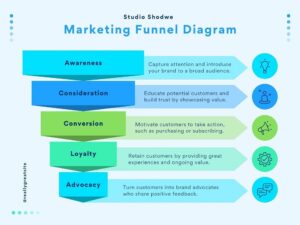
Demand generation is not a single marketing campaign. It is a process that helps businesses reach potential customers and build interest over time.
Here are the main stages.
Stage 1: Identify the Target Audience
The first step is understanding who the business wants to reach.
An agency may study:
- Industry and business type
- Company size
- Job roles and decision-makers
- Customer problems
- Buying needs
- Budget and purchasing behavior
This helps businesses focus their marketing on people who are more likely to need their products or services.
Stage 2: Build Brand Awareness
Once the target audience is clear, the next step is brand elevation, to make more people aware of the business.
This can happen through SEO, writing blog content, social media, paid advertising, podcasts, and industry events.
The aim is to help potential buyers recognize the brand and understand what it offers.
Stage 3: Build Interest and Trust
People are more likely to consider a business when they understand how its products or services can solve their problems.
Agencies use educational content, case studies, videos, webinars, and expert insights to build this trust.
Useful information can also help businesses become a trusted source in their industry.
Stage 4: Capture and Nurture Leads
When potential customers show interest, businesses can offer ways to take the next step.
These may include:
- Requesting a product demo
- Booking a consultation
- Signing up for a newsletter
- Starting a free trial
- Downloading a useful resource
Marketing teams can then follow up with relevant information based on the person’s needs and interests.
Stage 5: Measure and Improve Results
The final stage is checking what works and what needs improvement.
An agency may review website traffic, campaign performance, qualified leads, sales opportunities, and revenue.
This information helps businesses improve their marketing strategy and use their budget more effectively.
Demand Generation vs. Lead Generation: What Is the Difference?
Both are related, but they do not have exactly the same purpose.
Demand generation focuses on creating awareness and interest in a business. Lead generation focuses on identifying interested people and collecting their contact information.
Here is a simple comparison:
| Factor | Demand Generation | Lead Generation |
| Main goal | Build awareness and interest | Capture potential customers |
| Main focus | Trust and buying interest | Contact information and sales opportunities |
| Audience | Wider target market | Interested prospects |
| Common methods | SEO, content, social media, podcasts | Forms, demo requests, gated resources |
| Main result | Stronger brand awareness and future demand | Identifiable leads |
| Time frame | Usually long-term | Can produce leads in a shorter period |
| Success metrics | Engagement, brand searches, pipeline influence | Qualified leads, conversion rate, cost per lead |
Which one should your business choose?
Most B2B companies need both.
Demand generation helps people discover and trust your business. Lead generation helps your team identify people who are interested in taking the next step.
Using both strategies together can help create a stronger and more reliable sales pipeline.
How Much Does a Demand Generation Agency Cost?
The cost of hiring a demand generation agency depends on the services you need, your business size, campaign goals, and the agency’s experience.
Some agencies offer individual services, such as paid advertising or SEO. Others provide a complete marketing team that manages several channels.
Here are some common pricing models:
| Pricing Model | How It Works |
| Monthly retainer | Pay a fixed fee every month |
| Project-based pricing | Pay for a specific project or campaign |
| Hourly pricing | Pay for the time spent on your work |
| Percentage of ad spend | Pay a management fee based on advertising spend |
| Full-service marketing | Pay for a wider range of marketing services |
Before choosing an agency, ask for a clear breakdown of its fees.
Make sure you understand whether the quoted price includes content creation, advertising management, reporting, marketing tools, and other services.
Also, remember that agency fees and advertising budgets may be separate costs.
The cheapest agency is not always the best choice. Focus on the quality of its work, its experience, and how it plans to support your business goals.
How to Choose the Right Demand Generation Agency
Choosing a demand generation agency is an important business decision. The right partner should understand your market, customers, and growth goals.
Here are seven things to check before making your decision.
1. Check Its Industry Experience
Look for an agency that has worked with businesses similar to yours.
For example, a B2B SaaS company may need a different marketing strategy from an ecommerce store or a local service business.
Ask whether the agency understands your industry, products, customers, and sales process.
2. Review Its Case Studies
Case studies can help you understand how an agency works and what kind of results it has achieved.
Look for examples that explain:
- The client’s original problem
- The marketing strategy used
- The work completed
- The results achieved
- The time taken to achieve those results
Do not rely only on impressive numbers. Ask for details about how the results were measured.
3. Understand Its Marketing Strategy
A good agency should explain how it plans to reach your target audience.
Ask which channels it recommends and why.
For example, does your business need SEO, paid advertising, content marketing, ABM, or a combination of these services?
The strategy should match your business goals rather than follow a standard plan for every client.
4. Ask How It Measures Success
Do not judge an agency only by the number of clicks, impressions, or leads it generates.
Ask how it measures qualified leads, sales opportunities, pipeline contribution, customer acquisition cost, and revenue.
These metrics can give you a better picture of how marketing supports business growth.
5. Check Communication and Reporting
You should know what your agency is doing and how your campaigns are performing.
Ask how often you will receive reports, who will manage your account, and how you can contact the team.
Clear communication makes it easier to review progress and solve problems.
6. Know the Pricing
Before signing a contract, ask for a complete pricing breakdown.
Check whether the agency charges separately for advertising, content, SEO, reporting, and marketing tools.
Also, review the contract length, payment terms, cancellation policy, and any additional fees.
7. Ask for a Clear Plan
A professional agency should be able to explain what it plans to do during the first few months.
You should know the main tasks, expected milestones, reporting process, and how the agency will improve your campaigns.
Avoid agencies that promise guaranteed rankings, a fixed number of sales, or unrealistic results.
Key Metrics to Measure Demand Generation Performance

Once your campaigns start, you need to understand whether they are helping your business grow.
Here are some useful metrics to track.
| Metric | What It Measures |
| Website traffic | Number of people visiting your website |
| Brand search volume | How often people search for your brand |
| Engagement rate | How people interact with your content |
| Marketing-qualified leads (MQLs) | Leads that meet your marketing qualification criteria |
| Sales-qualified leads (SQLs) | Leads that meet your sales qualification criteria |
| Cost per lead (CPL) | How much it costs to generate a lead |
| Customer acquisition cost (CAC) | Cost of gaining a new customer |
| Pipeline contribution | Sales opportunities influenced or created by marketing |
| Return on investment (ROI) | The financial return compared with marketing investment |
No single metric tells the whole story.
For example, a campaign may bring thousands of website visitors but very few qualified opportunities. Another campaign may bring fewer visitors but generate better sales conversations.
That is why businesses should measure marketing performance based on their actual goals.
Conclusion
Choosing the right demand generation agency can help your business reach the right people, build trust, and create more sales opportunities.
The 10 agencies in this guide offer different services and approaches. Some focus on B2B SaaS growth, while others specialize in paid advertising, account-based marketing, inbound marketing, or enterprise campaigns.
Before making a decision, compare their experience, services, case studies, pricing, and reporting methods.
Most importantly, choose an agency that understands your business and focuses on more than just website traffic or lead numbers. Your goal should be to build lasting customer interest and turn that interest into real business growth.
Frequently Asked Questions
Q.1: What does a demand generation agency do?
A demand generation agency helps businesses create awareness, build interest, and attract potential customers. It may use SEO, content marketing, paid advertising, social media, email campaigns, and account-based marketing to support business growth.
Q.2: What is the difference between a demand generation agency and a lead generation agency?
A demand generation agency focuses on building awareness and interest in a product or service. A lead generation agency focuses on finding interested prospects and collecting their contact information. Both can work together to support sales growth.
Q.3: How long does demand generation take to show results?
The time needed depends on the marketing channels and your sales cycle. Paid campaigns may generate early engagement, while SEO, content marketing, and brand awareness usually take longer to build momentum. Businesses should review progress over time instead of expecting instant results.
Q.4: Which businesses need demand generation services?
B2B companies, SaaS businesses, technology firms, professional service providers, and enterprise brands can benefit from demand generation. It is especially useful for companies with longer sales cycles or products that need customer education before purchase.
Q.5: What should I look for in a demand generation agency?
Look for relevant industry experience, clear marketing strategies, strong case studies, transparent pricing, regular reporting, and a focus on qualified opportunities and revenue. The agency should also understand your target audience and sales process.
Q.6: What are the most common demand generation strategies?
Common strategies include SEO, content marketing, paid advertising, social media marketing, email nurturing, account-based marketing, webinars, and thought leadership. The right combination depends on your target audience and business goals.