What Is Conversion Optimization (CRO)? Definition, Benefits & Examples
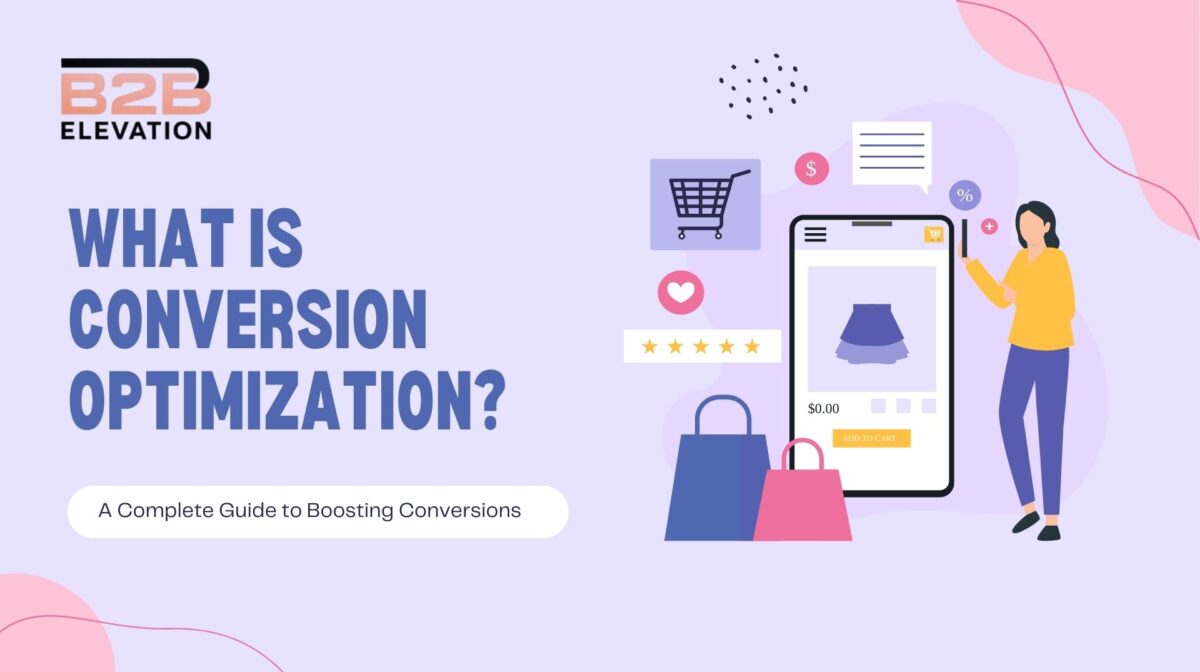
Conversion optimization (also called conversion rate optimization or CRO) is the process of improving your website experience so more visitors take meaningful actions such as buying a product, signing up, watching a video, or clicking a button. For e-commerce stores, conversion optimization focuses mainly on turning visitors into paying customers, not just increasing traffic.
To improve conversions, you need to analyze how people interact with your website, what they ignore, what they click, and what motivates them to complete a purchase.
Many businesses even work with a conversion rate optimization agency to understand user behavior more accurately and improve results faster.
What is a Conversion?
A conversion occurs when a visitor completes a desired action on your website. While many people associate conversions with purchases, they can include any action that supports your business goals.
Common examples of conversions include:
- Purchasing a product
- Signing up for a newsletter
- Submitting a contact form
- Downloading a guide or resource
- Requesting a demo
The type of conversion depends on your business objectives. For an e-commerce store, a purchase may be the primary conversion. For a SaaS company, a demo request or a free trial signup may be more important. Understanding what counts as a conversion is the first step in improving your conversion rate and optimizing the customer journey.
How to Calculate Conversion Rate?
You can calculate your website’s conversion rate using a simple formula:
Conversion Rate = (Number of Conversions ÷ Total Visitors) × 100
For example, if 20 out of 100 visitors make a purchase, then your conversion rate is:
(20 ÷ 100) × 100 = 20%
This metric helps businesses measure how effectively their website turns visitors into customers, leads, or subscribers. A higher conversion rate usually indicates that your website provides a better user experience and encourages visitors to take action.
Why Is Conversion Optimization Important?
The main priority of conversion optimization is to turn visitors into loyal customers. When you do this:
- Your brand becomes stronger
- Business earns more revenue
- Your customers feel satisfied and confident.
When you understand your customer’s behaviour, how they move from seeing a product to buying it, you can make things easier. This leads to more purchases, better conversion rate, and more engagement. A simple and discoverable experience encourages people to come back and buy again, which increases their customer lifetime value (CLV).
In real e-commerce case studies, businesses that improved page speed, checkout clarity, and trust signals saw conversion rates increase by 16-32% within weeks. Conversion optimization is commonly used by e-commerce brands, UX designers, and growth marketers to increase their revenue without increasing advertising costs.
Conversion optimization also helps brands to spend money securely and wisely. Since customers stay longer and buy more often, businesses do not have to spend as much on marketing to find new customers. This means you can generate more profit from each person who visits your site.
Conversion Optimization Example
An online store receives 1,000 visitors per month and converts 2% of them into customers. That means 20 sales. If CRO improvements increase the conversion rate to 3% the same traffic generates 30 sales. Instead of spending more on adverstising, the business earns more revenue from existing visitors.
This simple example shows why conversion optimization is in demanding. Even small improvements in conversion rate can significantly increase sales and revenue without requiring additional traffic.
Strategies for Optimizing Conversions
To get more conversions, you must understand your visitor’s behaviour and give them what they want. Here are some simple strategies to follow:
1. Use data tools
Market intelligence tools and analytics tools like Heatmaps, Funnel analysis platforms, and Session recordings help businesses understand exactly where users drop off and why conversions fail. These insights allow CRO experts to identify friction points and improve conversion rates effectively.
2. Collect Customer Reviews
Ask customers about their experience. Use surveys and reviews to find out what confuses them and what they like.
3. Run A/B Testing
Test two versions of a page or button to see which one performs better. This helps you to pick the design, text, or color that attracts more people.
4. Add Clear Calls to Action (CTAs)
Add helpful action buttons around your website. Simple messages like “Get Yours Today” or “Buy Now” can guide visitors and create urgency.
Advanced Conversion Optimization Techniques

Below are some advanced conversion optimization techniques that businesses use to improve user experience and increase conversions:
1. Personalization
Showing content that matches each customer’s interests. For example, if someone is more into sports collection, the website might show more sport accessories on their next visit. Personalization makes the shopping experience feel relevant and friendly.
2. Behavioral Segmentation
This means grouping visitors based on their behaviour. Some people may view many products but never buy them. Others may add the products to the cart but leave without buying. By knowing these groups, you can send the targeted messages to increase conversion.
3. Automation
Use smart marketing automation tools to guide users automatically. For example, if someone only visits your website, clicks on some items, and leaves without buying, an automated email can remind them about the items in their cart. This helps bring customers back to complete their purchases.
Best Conversion Optimization Tools
To implement effective conversion optimization strategies, businesses rely on specialized tools that track user behaviour, provide insights, and automate processes.
Here are some of the most impactful tools and examples:
1. Analytics Tools
Tools like Google Analytics and Mixpanel help track visitor behavior, monitor conversion rates, and measure page performance. They allow businesses to see where users drop off in the funnel and which pages drive sales.
2. Heatmaps & Session Recording Tools
Platforms such as Hotjar and Crazy Egg visualize how visitors interact with your site, showing clicks, scrolling movements, and where they stay. These insights reveal friction points and opportunities to improve conversion.
3. A/B Testing Tools
Tools like Optimizely and VWO let you test different CTAs and page versions to determine what works best. This ensures data-driven decisions rather than guesswork.
4. Personalization Tools
Platforms such as HubSpot or Dynamic Yield provide content to individual visitors based on their behaviour for higher engagement.
5. Automation Tools
Email marketing tools like ActiveCampaign or Klaviyo automate follow-ups and reminders. For example, abandoned cart emails can bring customers back to complete their purchase, increasing overall conversion rates.
Final Thoughts
As competition grows in digital markets, conversion optimization is no longer optional. Businesses that invest in CRO tools and strategies will outperform competitors without increasing traffic costs.
With the right optimization approach, data-driven testing, and data, brands can consistently improve revenue and customer experience.
In fact, case studies show that e-commerce sites applying these strategies can boost conversion rates by 16-32% within weeks, proving that smart CRO is one of the most effective ways to increase online sales.
FAQs
Q.1: What is a good conversion rate?
A good conversion rate varies by industry, but many websites consider 2% to 5% a good benchmark. SaaS companies, e-commerce stores, and lead generation websites may have different averages depending on their audience and goals.
Q2: How can a conversion rate optimization agency help improve my website?
A conversion rate optimization agency helps by finding hidden problems on your website, testing different page versions, studying user behaviour, and giving you the result-driven strategies that increase sales and engagement.
Q3: What is included in conversion rate optimization services?
Conversion rate optimization services usually include user behaviour analysis, UX improvement, website audits, A/B testing, and ideas to help your visitor to take action more easily.
Q4: What are the first steps I should take to improve my conversion rate?
Simply checking your website’s data, collecting customer feedback, finding pages where users drop off, and improving your calls to action so they are clear and easy to follow.
Q5: Why are visitors leaving my website without buying anything?
People often leave a website because it loads slowly, makes it hard to find relevant products, or doesn’t feel trustworthy. A brand can increase its sales and conversions by fixing these issues.