


Brand Identity: Key Elements, Examples, and How to Build One
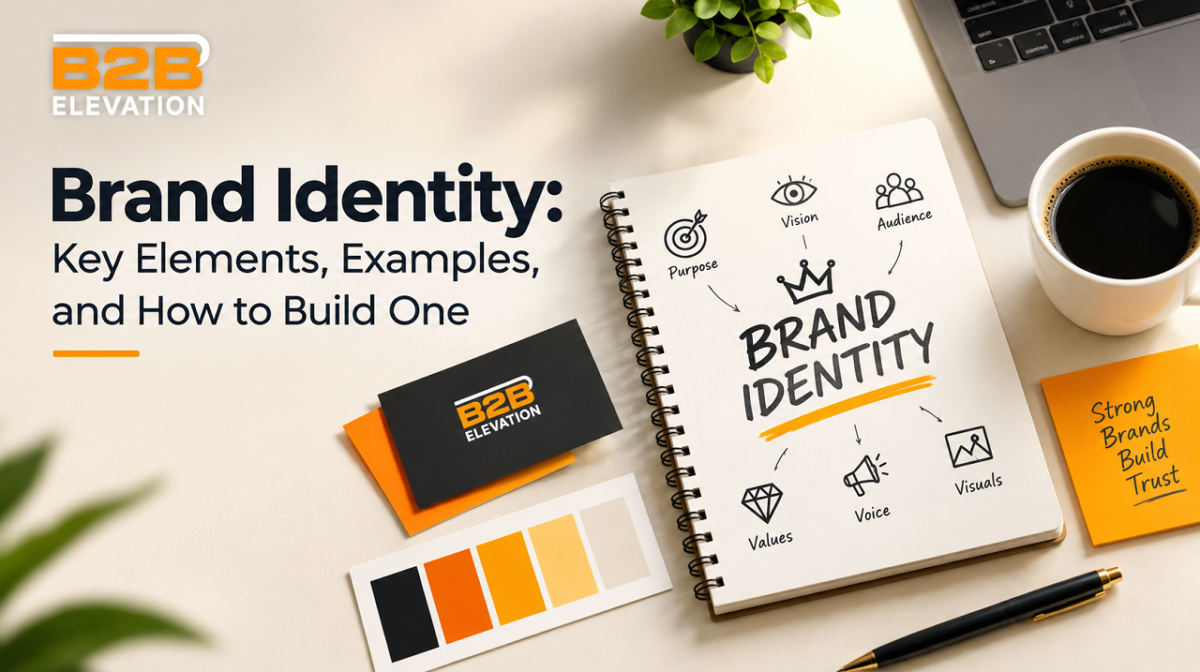
What makes you recognize a company before you even read its name? Sometimes, it is the logo. Other times, it is the colors, writing style, packaging, or the way the company speaks to its customers.
These details are part of brand identity. They help people recognize a business, understand what it stands for, and remember it when they need a product or service.
A strong brand identity is more than a good logo. It combines visual design, brand messaging, values, and personality to create a clear and consistent image of a business.
In this guide, you will learn what brand identity means, why it matters, its key elements, real-world examples, and how to build one for your business.
What Is Brand Identity?
Brand identity is the collection of visual elements, messages, values, and personality that a business uses to present itself to the world.
It includes your logo, colors, fonts, brand voice, images, packaging, and the way you communicate with customers.
Think of brand identity as your business’s public personality. It helps people recognize your company and understand what makes it different from others.
For example, imagine two coffee shops. One uses dark colors, simple packaging, and formal language. The other uses bright colors, playful messages, and fun illustrations. Even if they sell similar coffee, their brand identities create different impressions.
A clear brand identity helps customers know what to expect from your business before they buy anything.
In simple terms, brand identity is how your business presents itself and how you want people to recognize it.
Why Is Brand Identity Important?
Brand identity helps people recognize your business, understand your message, and remember what makes you different. It also gives your team a clear direction for marketing and communication.
Here are the main reasons it matters.
1. It Makes Your Business Recognizable
Consistent colors, fonts, logos, and messages help people identify your business across different platforms.
When customers see the same visual style on your website, social media, emails, and packaging, they can connect those experiences to your brand.
Over time, this recognition can make your business easier to remember.
2. It Helps You Stand Out From Competitors
Many businesses offer similar products or services. A strong brand identity gives customers another reason to notice your company.
Your design, tone, values, and message can show what makes your business different.
For example, one skincare brand may focus on simple ingredients and clean packaging, while another may focus on luxury and premium design. Both can sell similar products but appeal to different customers.
3. It Builds Trust and Credibility
Customers often feel more comfortable dealing with a business that looks professional and communicates clearly.
A consistent brand identity helps your company appear organized and dependable. However, design alone cannot create lasting trust. Your products, service, and customer experience must support the promises your brand makes.
4. It Creates an Emotional Connection
People do not always choose a product based on price or features alone. They may also care about the values, lifestyle, or personality connected to a brand.
A business that understands its audience can create messages and experiences that feel relevant to its customers.
This connection can encourage people to return and recommend the business to others.
5. It Makes Marketing More Consistent
Without clear brand guidelines, different team members may use different colors, fonts, messages, or writing styles.
A defined brand identity helps everyone work toward the same goal. It also makes it easier to create website pages, social media posts, advertisements, presentations, and other marketing materials.
What Are the Key Elements of Brand Identity?
A strong brand identity combines several elements. Each one plays a different role in how people recognize and understand your business.
1. Brand Name
Your brand name is often the first thing people learn about your business. It should be easy to recognize, fit your business, and work well for your target audience.
A good name can reflect your product, values, personality, or purpose. Before choosing one, check its availability and possible trademark conflicts.
2. Logo
A logo is a visual symbol or design that helps people identify your business.
It may use text, shapes, symbols, or a combination of these elements. A good logo should be clear, easy to recognize, and suitable for different sizes and platforms.
Your logo should work on your website, social media profiles, business cards, and other brand materials.
3. Brand Colors
Colors help create a visual style and can influence how people interpret a brand.
For example, a company may use blue to support an image of reliability or green to connect its visual identity with nature. However, colors do not have fixed meanings for every audience or culture.
Choose colors that fit your brand personality and remain consistent across your marketing materials.
4. Typography and Fonts
Typography is the style and arrangement of text. The fonts you choose affect how your brand looks and how easily people can read your content.
A technology company might use clean, modern fonts, while a luxury brand may choose more refined lettering.
The best choice depends on your audience and message. Make sure your fonts remain readable on mobile devices and across different platforms.
5. Brand Voice and Tone
Your brand voice is the personality behind your written communication. Your tone changes slightly depending on the situation.
For example, a friendly brand may use simple words and conversational messages. A professional financial company may use a more formal tone when explaining complex services.
Your website, emails, advertisements, and social media posts should sound like they come from the same business.
6. Brand Values and Mission
Your mission explains why your business exists and what it aims to achieve. Your values describe the principles that guide its decisions.
For example, a company may focus on customer service, sustainability, innovation, or affordability.
These ideas should guide your actions, not just appear in a slogan. Customers are more likely to take your message seriously when your business practices support it.
7. Images and Graphic Style
Photos, illustrations, icons, patterns, and other graphics help create a recognizable visual style.
A brand that targets young professionals may use modern photography and clean layouts. A children’s brand may use colorful illustrations and playful shapes.
Choose a style that fits your audience and use it consistently across your website, advertisements, and social channels.
8. Packaging and Other Brand Materials
For businesses that sell physical products, packaging is another important part of brand identity.
Labels, boxes, product tags, and shipping materials can all support your visual style. Service businesses can create a similar effect through proposals, reports, presentations, and customer documents.
Every interaction is an opportunity to present your business consistently.
Brand Identity vs. Brand Image vs. Branding
These terms are related, but they do not mean the same thing. Understanding the difference helps you build a clearer brand strategy.
| Term | Meaning | Example |
| Brand identity | How a business presents itself | Its logo, colors, voice, and values |
| Brand image | How people actually see the business | Customers view it as affordable or premium |
| Branding | The work involved in shaping and communicating the brand | Marketing campaigns, design, and customer experiences |
| Brand positioning | The place a brand aims to hold in its target market | Being known as the budget-friendly choice |
The main difference is that brand identity is what you create, while brand image is how people perceive it. Branding is the ongoing work that helps connect the two.
Your intended identity and actual brand image may not always match. For example, a company may want to appear customer-focused, but slow support and poor service can create a different impression.
That is why brand identity must be supported by real customer experiences.
Brand Identity Examples From Well-Known Companies
Looking at established brands can help you understand how different elements work together. These examples show recognizable approaches, not a guarantee that copying them will produce the same results.
1. Apple

Apple uses a clean visual style, simple product presentations, and consistent design across many customer touchpoints.
Its brand identity supports a focus on product design, simplicity, and technology.
What you can learn: Keep your message clear. You do not need to add more design elements when a simpler approach communicates your value better.
2. Nike
Nike uses its recognizable Swoosh logo, athletic imagery, and motivational messaging.
Its brand identity connects with movement, performance, and personal achievement.
What you can learn: Build your message around what your customers want to achieve, not just the features of what you sell.
3. Coca-Cola

Coca-Cola uses recognizable red branding, distinctive lettering, and a consistent visual style across many marketing materials.
Its branding often connects the product with moments of enjoyment and sharing.
What you can learn: Repeating recognizable visual elements helps people connect different campaigns and products to the same brand.
4. McDonald’s

McDonald’s uses familiar golden arches, red and yellow branding, and a recognizable restaurant experience.
Its visual identity helps customers identify the business in different locations.
What you can learn: Consistency matters across physical locations, digital platforms, packaging, and customer interactions.
The lesson from these companies is not to copy their logos or colors. It is to understand how a clear message, recognizable design, and consistent experience work together.
How to Build a Strong Brand Identity Step by Step
You do not need a large budget to start building a brand identity. You need a clear understanding of your business, your customers, and the message you want to communicate.
Follow these steps to create a practical brand identity.
Step 1: Mark Your Target Audience
Start by learning who your ideal customers are, what they need, and what problems they want to solve.
Consider their age range, interests, buying habits, goals, and common concerns where relevant.
You can learn about your audience through customer interviews, surveys, reviews, sales conversations, and market research.
Ask yourself: Who do we want to reach, and why would these people choose us?
Step 2: Define Your Mission, Values, and Personality
Decide what your business stands for and what makes it different.
Write a short mission statement that explains why your business exists. Choose a few core values and describe your brand personality in simple words.
For example, your brand might be friendly, practical, reliable, and innovative.
These decisions will guide your design, writing, marketing, and customer communication.
Step 3: Research Your Competitors
Look at businesses that serve the same audience or offer similar products.
Study their logos, colors, website layouts, messaging, social media content, and customer promises.
Look for patterns, but also identify what is missing. If every competitor uses the same style, there may be an opportunity to present your business differently.
The goal is not to copy another brand. It is to understand the market and find a clear way to stand out.
Step 4: Choose Your Brand Name and Design
Develop a name, logo, color palette, and typography that support your brand’s personality.
Keep your designs practical. Your logo should work on a small phone screen as well as on a larger display. Your colors should be easy to reproduce, and your fonts should be readable.
Check name availability, relevant domains, social media handles, and trademark requirements before making a final decision.
Step 5: Create Your Brand Voice
Decide how your business should sound when speaking to customers.
Write down a few simple rules. For example:
- Use clear, everyday language.
- Explain technical ideas in simple words.
- Be friendly without sounding unprofessional.
- Avoid promises your business cannot support.
- Keep the tone consistent across marketing channels.
Create sample website copy, emails, and social media posts to help your team apply these rules.
Step 6: Build Brand Guidelines
Brand guidelines explain how people should use your brand elements.
Your guidelines should include:
- Logo versions and correct usage.
- Primary and secondary brand colors.
- Font choices and text styles.
- Image and graphic rules.
- Brand voice and tone.
- Examples of correct and incorrect usage.
A short document is enough for many small businesses. The important thing is to make the rules clear and easy to follow.
Step 7: Apply Your Identity Across All Channels
Use your brand identity consistently on your website, social media, emails, advertisements, presentations, packaging, and other customer touchpoints.
Consistency does not mean every platform must look identical. It means the same recognizable personality and visual rules should carry through each experience.
Make sure your website and marketing strategies also work well on mobile devices and remain accessible to different users.
Step 8: Collect Feedback and Improve
After launching your brand identity, ask customers and team members how they understand and recognize it.
Review customer feedback, website behavior, brand recognition, and the performance of your marketing materials.
If people misunderstand your message or struggle to recognize your business, investigate why. Make changes based on evidence rather than changing your design simply because a new trend appears.
How to Maintain a Consistent Brand Identity
Creating a brand identity is only the beginning. You must also protect and maintain it as your business develops.
Start by keeping your brand guidelines updated. Make sure employees, designers, writers, and marketing partners can access the latest version.
Review your website, social media accounts, advertisements, and other materials regularly. Check whether they use the correct logo, colors, fonts, and messaging.
You should also review customer feedback and changes in your market. Your brand can evolve when your business goals or audience needs change, but updates should have a clear purpose.
Avoid changing everything just to follow a trend. Keep the elements that customers recognize while improving the parts that no longer represent your business.
How to Measure the Success of Your Brand Identity
Brand identity does not have one universal success metric. Instead, use several measures to understand whether your brand is becoming clearer and more recognizable.
Here are some useful options:
- Brand awareness: How many people recognize or know about your business?
- Direct website traffic: Are more people visiting your site by entering your URL or seeking out your brand?
- Branded search volume: Are more people searching for your business by name?
- Customer feedback: Do people understand what your business offers and what makes it different?
- Brand consistency: Are your teams using the same visual identity and messaging?
- Customer loyalty: Are customers returning, recommending your business, or choosing it again?
These measures provide useful signals, but none proves that brand identity alone caused a change. Advertising, product quality, pricing, customer service, and other factors can also affect results.
Review the measures that match your goals and compare them over time.
Conclusion
Brand identity is more than a logo or a set of colors. It is the way your business presents itself through its design, voice, values, and customer experience.
A strong identity helps people recognize your business, understand what makes it different, and know what to expect from it. The best approach is to start with your audience and business goals, build a consistent visual and verbal style, and make sure your actions support your brand promises.
You do not need a complicated design or a huge budget to begin. Focus on clarity, consistency, and the needs of your customers. As your business grows, use feedback and real results to improve your brand identity over time.
FAQs
Q.1: What is brand identity in simple words?
Brand identity is how a business presents itself through its name, logo, colors, messages, values, and personality. These elements help people recognize the business and understand what makes it different.
Q.2: What are the five main elements of brand identity?
Five important elements are the brand name, logo, colors, typography, and brand voice. Many businesses also include their mission, values, imagery, packaging, and brand guidelines.
Q.3: What is the difference between brand identity and branding?
Brand identity is the collection of elements that represent a business. Branding is the work of creating, communicating, and managing that identity through marketing and customer experiences.
Q.4: What is the difference between brand identity and brand image?
Brand identity is how a business wants to present itself. Brand image is how customers actually perceive it. A business may aim to appear reliable, for example, but customers form their image based on their experiences and what they see and hear about the company.
Q.5: Can a small business create a strong brand identity?
Yes. A small business can begin with a clear message, a suitable name, a simple logo, a consistent color palette, and a recognizable writing style. It can expand its brand guidelines as the business grows.
Q.6: How much does it cost to create a brand identity?
The cost depends on the scope of work, the designer or agency, and the needs of the business. A basic identity may cost little if created in-house, while a professional branding project can cost hundreds or thousands of dollars. There is no single price that fits every business.