
What Is Brand Elevation? Strategies and Examples
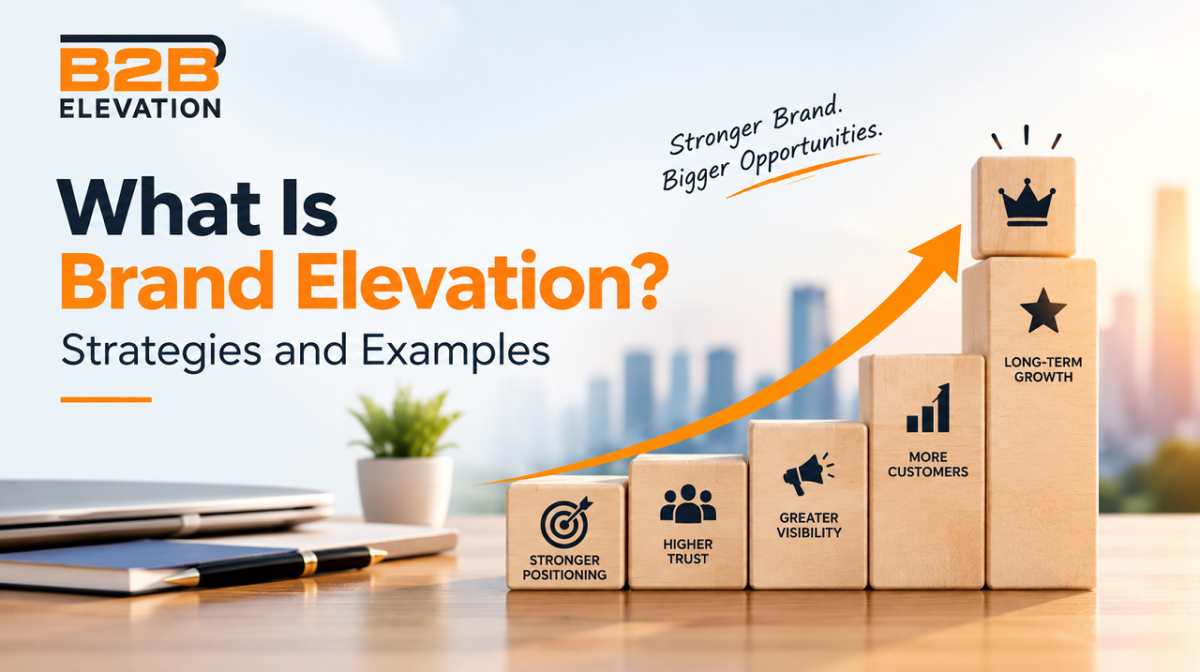
Brand elevation is the process of making a brand more valuable, trusted, and meaningful to its target audience. It helps businesses improve how people see their brand, understand their products, and decide whether to buy from them.
A strong brand is more than a logo, website, or catchy slogan. It is the full experience people have with a business, from the first time they see its name to the service they receive after making a purchase.
For example, a software company can elevate its brand by improving its product, sharing helpful content, offering better customer support, and explaining its value clearly. These steps can help customers see why the company is worth considering.
In this guide, you will learn what brand elevation means, why it matters, and how to build a brand elevation strategy that supports long-term business growth.
What Is Brand Elevation?
Brand elevation is a marketing and business strategy that improves a brand’s perceived value, reputation, and position in the market.
The goal is not simply to make a business look more expensive or popular. It is to give customers real reasons to trust the brand and choose it over other options.
Brand elevation can involve several areas, including:
- Brand positioning: Showing customers what makes your business different.
- Brand identity: Creating a clear and consistent look, voice, and message.
- Customer experience: Making every interaction useful, simple, and reliable.
- Content marketing: Sharing information that helps customers solve problems.
- Product or service quality: Delivering the value your brand promises.
These areas work together. A business may have a professional logo, but its brand will struggle if its service is poor or its marketing makes promises it cannot keep.
Why Is Brand Elevation Important?
Customers often have many businesses to choose from. When products or services seem similar, trust, reputation, and perceived value can influence their decisions.
A clear brand elevation strategy helps a business build a stronger position in its market.
1. It Builds Customer Trust
People want to know what they are buying and whether a company can meet their needs.
Clear pricing, honest marketing, useful information, and reliable customer service help build trust. Businesses can also use genuine testimonials, reviews, and case studies to show how they help customers.
Trust grows when a company consistently delivers on its promises.
2. It Helps a Business Stand Out
A business needs a clear reason for customers to choose it.
For example, one project management software company may focus on simple tools for small teams, while another may focus on advanced reporting for larger organizations.
Both companies can serve the same broad market, but their different strengths help them reach different customers.
Strong positioning makes it easier for people to understand what a brand offers and who it serves best.
3. It Can Improve Perceived Value
Customers do not judge a product only by its features or price. They may also consider its quality, support, reputation, and overall experience.
A business can improve perceived value by making its products more useful, communicating benefits clearly, and providing dependable service.
However, raising prices or changing a logo alone does not create lasting brand value. The product or service must support the brand’s promises.
4. It Supports Long-Term Business Growth
A well-positioned brand can help a business succeed, attract the right audience, earn repeat customers, and create more opportunities for referrals.
For B2B companies, a strong brand can also help potential clients understand the company’s expertise before contacting its sales team.
These benefits take time and depend on factors such as market demand, competition, product quality, and the effectiveness of the company’s marketing.
How to Create a Brand Elevation Strategy
A successful brand elevation strategy starts with a clear understanding of your business and customers. Follow these six steps to build a practical plan.
1. Know Your Target Audience
Start by learning who your customers are, what they need, and which problems they want to solve.
Look at customer questions, feedback, reviews, sales conversations, and common reasons people choose or reject your product.
For example, a B2B software company may find that customers care more about saving time and reducing manual work than having dozens of advanced features.
This information helps you create a brand message that speaks to real customer needs.
2. Define What Makes Your Brand Different
Your brand should give people a clear reason to remember it.
Ask yourself:
- What problem does our business solve?
- Who benefits most from our products or services?
- What do we do differently from competitors?
- What evidence supports our claims?
Use your answers to create a simple value proposition.
Avoid vague statements such as “We offer the best solutions.” Explain what you do, who you help, and why your approach is useful.
3. Build a Consistent Brand Identity
Brand identity includes your logo, colors, typography, writing style, and visual presentation.
These elements should work together across your website, social media profiles, advertisements, and other marketing materials.
Consistency helps customers recognize your business and understand its personality.
But brand identity is not only about design. Your tone, customer service, and marketing strategies should also reflect the same values.
4. Improve Your Website and Content
Your website is often one of the first places potential customers visit to learn about your business.
Make sure it explains your services clearly, answers common questions, and makes it easy for visitors to take the next step.
Useful content can support brand elevation by showing your knowledge and helping customers make informed decisions.
For example, a B2B marketing agency could publish guides about SEO, lead generation, website performance, and content strategy.
Focus on writing content that answers real questions instead of publishing articles only to include keywords.
5. Deliver a Better Customer Experience
A brand’s reputation depends on what customers experience, not just what its marketing says.
Review the full customer journey, including the first website visit, sales process, product delivery, customer support, and follow-up.
Look for problems that make the experience confusing or frustrating.
A software company, for example, might improve its onboarding guides so new users can understand the product without needing repeated support requests.
Small improvements across the customer journey can help make the brand more dependable and memorable.
6. Measure Your Progress
You need to know whether your brand elevation efforts are making a difference.
Choose measures that match your goals. These may include:
- Brand awareness and customer recognition.
- Branded searches in search engines.
- Relevant website traffic.
- Qualified leads and conversion rates.
- Customer reviews and satisfaction.
- Repeat purchases or customer retention.
No single metric tells the whole story. For example, more website traffic does not necessarily mean customers trust your brand or are ready to buy.
Review several indicators together and compare them with your starting point.
What Are Some Examples of Brand Elevation?
Brand elevation can look different depending on a company’s market, customers, and goals.
Example 1: A B2B Marketing Agency
Imagine a marketing agency that struggles to stand out from similar service providers.
Instead of relying only on general claims, the agency publishes practical SEO guides, explains its process, shares verified case studies, and improves communication with clients.
These changes help potential customers understand its expertise and what working with the agency involves.
Over time, the agency may build a clearer market position and attract more relevant leads. Actual results will depend on the quality of its work and the needs of its market.
Example 2: A Software Company
Consider a software company whose product is useful but difficult for new customers to understand.
The company improves its website, creates simple tutorials, explains pricing, and offers helpful onboarding support.
These changes can make the product easier to evaluate and use. Customers may also develop a clearer understanding of the company’s value.
Example 3: An Established Retail Brand
A retail brand wants customers to see its products as higher quality.
Instead of changing its visual design alone, the company improves product materials, provides better product information, updates its packaging, and makes its service more consistent.
This approach supports a stronger brand position because the customer experience matches the message.
These examples illustrate possible strategies, not guaranteed outcomes. Brand elevation works best when changes reflect real improvements in the business.
Brand Elevation vs. Brand Awareness
Brand elevation and brand awareness are related, but they are not the same.
Brand awareness measures how familiar people are with a business. Brand elevation focuses on improving how people perceive and value that business.
For example, an advertising campaign may introduce a company to thousands of people. This can increase awareness, but those people may still have no clear reason to trust or choose it.
A brand elevation strategy goes further. It works on positioning, quality, customer experience, and communication so that the brand becomes more meaningful to its audience.
Businesses often need both. Awareness helps people discover a brand, while strong positioning and a reliable experience give them reasons to consider it.
Scale Your Brand with B2B Elevation
Building a strong brand takes the right strategy, consistent messaging, and a clear understanding of your audience. From improving search visibility to creating helpful content, every step can help your business build trust and reach the right people.
At B2B Elevation, we focus on SEO, content writing, and web development to help businesses strengthen their online presence. Explore our digital marketing insights to find practical ways to improve your website, connect with your target audience, and support long-term growth.
Final Thoughts
Brand elevation is about building a brand that customers understand, trust, and value.
It takes more than a new logo or a clever marketing campaign. Businesses need clear positioning, useful content, consistent communication, and products or services that deliver on their promises.
Start by understanding your audience and identifying what makes your business different. Then improve the customer experience, communicate your value clearly, and measure your progress.
With a clear strategy and consistent effort, brand elevation can help your business build a stronger market position and create better relationships with customers.
Frequently Asked Questions
Q.1: What does brand elevation mean?
Brand elevation means improving how people perceive and value a business. It can involve better positioning, stronger customer experiences, clearer marketing, and improvements to products or services.
Q.2: What is a brand elevation strategy?
A brand elevation strategy is a plan to strengthen a brand’s position and perceived value. It usually includes audience research, brand messaging, visual identity, content, customer experience, and performance measurement.
Q.3: How does brand elevation help a business?
Brand elevation can help businesses communicate their value, stand out from competitors, build customer trust, and support long-term growth. The results depend on the quality of the strategy and the value the business delivers.
Q.4: What is the difference between brand elevation and rebranding?
Brand elevation focuses on improving a brand’s perceived value and market position. Rebranding involves changing elements such as a name, logo, visual identity, or messaging. A company can elevate its brand without completely rebranding.
Q.5: Can small businesses use brand elevation?
Yes. Small businesses can improve their brand by defining their audience, communicating clearly, delivering reliable service, publishing useful content, and maintaining a consistent online presence. They do not need a large marketing budget to start making improvements.
Q.6: How do you measure brand elevation?
Businesses can track brand awareness, branded search activity, customer feedback, qualified leads, conversion rates, and customer retention. Comparing several measures over time provides a more useful picture than relying on one metric.