
How to Create a B2B Ebook From In-House Expertise That Generates Leads
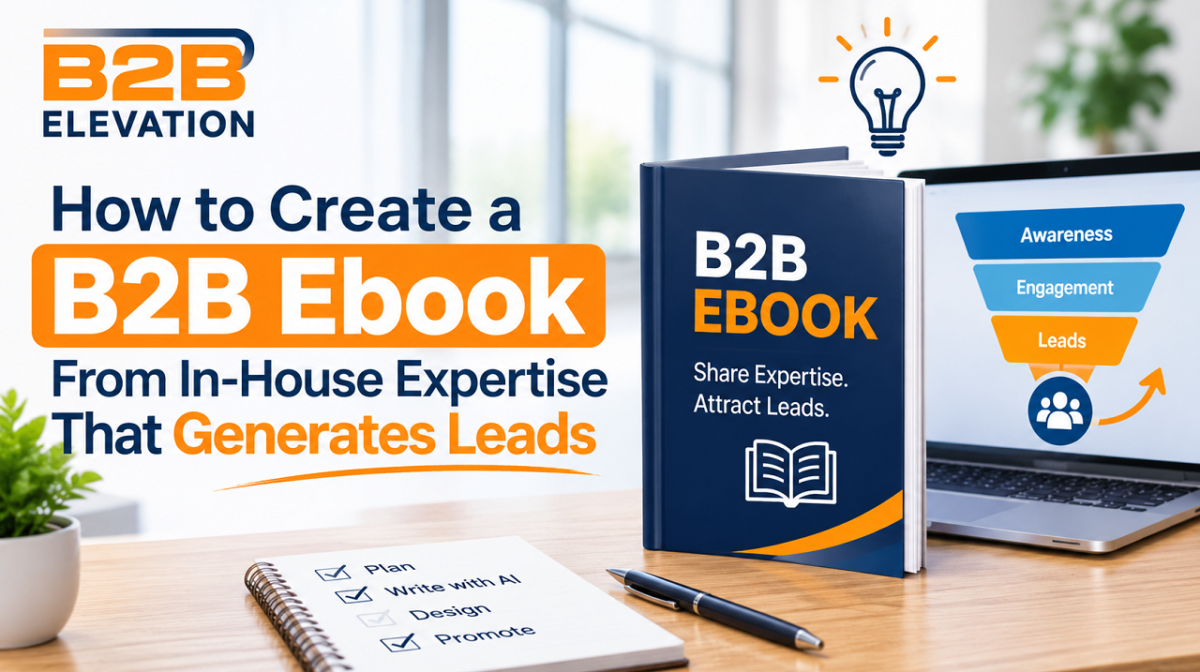
Most B2B companies already have the knowledge needed to create a valuable ebook. It is often hidden in sales conversations, customer questions, onboarding materials, support tickets, internal presentations, and the experience of senior team members.
The challenge is turning that knowledge into something useful for potential buyers.
A well-planned B2B ebook can help businesses attract relevant prospects, demonstrate industry expertise, build trust, and support sales conversations. Instead of publishing another general blog post, companies can offer a practical resource that helps buyers understand a problem and make better decisions.
However, creating an ebook that generates leads takes more than putting information into a PDF. You need to choose the right topic, understand your audience, organize your knowledge, and build a strategy for distributing the finished resource.
Here is a step-by-step approach to creating a B2B ebook using knowledge your team already has.
1. Choose a Topic Based on Your Buyers’ Problems
The first step in B2B ebook creation is choosing a topic that solves a real problem for your target audience.
Many companies make the mistake of selecting topics based on what they want to promote. However, buyers are more interested in solutions to their challenges than in learning about another company’s products or services.
Start by speaking with your sales and customer support teams. Ask them to identify the questions prospects frequently ask before making a purchase.
For example, common topics might include:
- How to choose the right software for a growing business
- How to reduce operational costs without affecting productivity
- How to improve customer onboarding
- How to evaluate different service providers
- How to plan a successful technology implementation
Look for questions that appear repeatedly and matter to your ideal customers.
Once you have a list, select one topic that addresses a specific challenge and matches your audience’s stage in the buying journey.
A useful tip: Avoid trying to cover several unrelated subjects in one ebook. A focused resource is easier to create, easier to promote, and more valuable to the right reader.
2. Turn Your Company’s Existing Knowledge Into Content
You do not always need to start from a blank page when creating a B2B ebook. Your company may already have enough useful information to develop a strong first draft.
The key is knowing where to find it.
Start collecting information from people and resources that have direct experience with the selected topic.
Useful sources include:
- Sales call recordings and meeting notes
- Customer support questions and responses
- Internal training documents
- Customer onboarding materials
- Project reports and case studies
- Interviews with subject matter experts
You can also arrange short interviews with two or three experienced team members. Ask them to explain common industry challenges, mistakes they have seen, and solutions that have worked in real situations.
Organize everything in one document before writing begins.
This process helps your ebook include real business knowledge, practical examples, and insights that readers may not find in generic online articles.
3. Create an Ebook Outline Around the Buyer’s Journey
Once you have collected the information, organize it into a clear outline.
Your ebook should guide readers from understanding a problem to identifying possible solutions. Each chapter should answer a question or help readers complete a specific step.
For example, a practical B2B ebook could follow this structure:
- Introduction: Explain the problem and why it matters to businesses.
- Understanding the challenge: Cover common causes and their business impact.
- Available solutions: Explain the approaches buyers can consider.
- Implementation process: Provide practical steps and recommendations.
- Common mistakes: Highlight issues businesses should avoid.
- Action checklist: Give readers something they can apply immediately.
For a typical 12–20-page ebook, this structure provides enough room to explain the topic without overwhelming readers.
Before drafting, share the outline with a sales representative and a subject matter expert. Their feedback can help you identify missing questions, incorrect assumptions, and sections that need more detail.
It is much easier to improve an outline than rewrite several completed chapters.
4. Use AI to Speed Up Ebook Writing
Writing an ebook from scratch can take considerable time, especially when your marketing team is already managing blog posts, campaigns, and other projects.
AI writing tools can make this process more manageable.
An AI ebook creator can help turn an approved outline, research notes, and internal documents into an initial ebook draft.
Instead of asking AI to write about a broad topic, provide it with your collected material and clear instructions for each chapter.
For example, you can ask it to:
- Organize information into logical chapters.
- Turn interview notes into readable explanations.
- Simplify technical concepts for business readers.
- Suggest relevant examples and section headings.
- Maintain consistent terminology throughout the document.
However, AI should support the writing process rather than replace subject matter expertise.
Have experienced team members review every chapter. Check facts, improve explanations, remove repetitive sections, and make sure the recommendations reflect real business experience.
Avoid publishing unsupported statistics, invented case studies, or claims that your team cannot verify.
The goal is to produce an ebook that combines AI-assisted efficiency with genuine industry knowledge.
5. Design an Ebook That Is Easy to Read
Good information is important, but presentation also affects how readers experience your ebook.
A document filled with long paragraphs and technical explanations can discourage readers from finishing it.
Keep the design clean and make important information easy to find.
Follow these basic design practices:
- Use a professional cover that clearly communicates the ebook’s subject.
- Break long sections into smaller paragraphs.
- Use descriptive headings and subheadings.
- Add charts, diagrams, and screenshots where they explain something better than text.
- Highlight important tips and key takeaways.
- Include checklists or worksheets that readers can use.
You should also maintain consistent fonts, spacing, colors, and branding throughout the document.
Consider adding a short summary at the end of each chapter. This helps busy professionals understand the main points without reading every paragraph.
Remember that the purpose of ebook design is not simply to make the document look attractive. It should make useful information easier to understand and apply.
6. Decide Whether to Gate Your B2B Ebook
Once your ebook is ready, decide how readers will access it.
A common approach is to place the ebook behind a landing page form. Visitors provide their contact details, usually an email address, before receiving the download.
This is known as gated content and can help a B2B company generate leads from people interested in a particular subject.
However, gating every resource is not always the best option.
Consider these two approaches:
Gated ebooks
Use a form when your ebook contains valuable material such as original research, detailed implementation instructions, industry insights, or downloadable templates.
Keep the form short. Asking for too much information can discourage potential readers from downloading the resource.
Ungated ebooks
Offer the ebook without a form when your main objective is increasing brand awareness, earning organic traffic, or making your expertise accessible to a wider audience.
You can also use a combination of both approaches. Publish useful sections as web content and offer a more detailed downloadable version through a landing page.
Choose the approach based on your marketing goals and the value the ebook provides.
7. Create a Landing Page That Converts Visitors Into Leads
If your goal is lead generation, your ebook needs a landing page that explains why someone should download it.
A good landing page should communicate the value of the resource before asking visitors to share their information.
Include these essential elements:
- A clear headline: Explain what the ebook helps readers achieve.
- A short description: Tell visitors what they will learn.
- Key takeaways: Highlight the main topics covered in the ebook.
- A professional cover image: Give visitors a preview of the resource.
- A simple form: Request only the information you genuinely need.
- A clear CTA: Use an action-oriented message such as “Download the Free Ebook.”
Avoid filling the page with unrelated information or multiple competing calls to action.
After someone downloads the ebook, deliver the resource promptly and explain what they can expect from any follow-up communication.
A well-designed landing page makes the value exchange clear and creates a better experience for potential leads.
8. Promote Your Ebook Across Multiple Channels
Publishing an ebook is only the beginning. Your target audience needs to know that the resource exists.
Instead of relying on one promotional channel, distribute the ebook through platforms where your potential buyers already spend time.
Here are some practical ways to promote it:
Company blog: Publish related articles that answer specific questions covered in the ebook. Include relevant links to the download page.
LinkedIn: Share key insights, useful statistics, short summaries, and visual slides from the ebook. Encourage relevant professionals to explore the full resource.
Email marketing: Announce the ebook to your existing subscribers and include it in relevant email campaigns.
Sales outreach: Give sales representatives access to the ebook so they can share it with prospects who need additional information before making a decision.
Content repurposing: Turn individual chapters into blog posts, infographics, short videos, and email content.
Some businesses may also choose to publish a separate version on Amazon Kindle to reach readers outside their existing audience. If you take this approach, a KDP keyword research tool can help identify relevant search terms for the Amazon listing.
Each channel serves a different purpose, so adapt the promotional message to the audience and platform.
9. Measure Ebook Performance Beyond Downloads
A large number of ebook downloads may look impressive, but downloads alone do not tell you whether the resource is helping your business generate meaningful opportunities.
You need to understand what happens after someone downloads it.
Track metrics that connect ebook performance with marketing and sales outcomes.
| Metric | What It Tells You |
| Landing page conversion rate | How effectively the page turns visitors into downloaders |
| Total downloads | How many people requested the ebook |
| Lead quality | Whether downloaders match your target customer profile |
| Email engagement | Whether readers interact with follow-up messages |
| Meetings booked | Whether the ebook helps generate sales conversations |
| Sales opportunities | Whether ebook leads progress toward potential deals |
You should also monitor which promotional channels bring the most relevant leads.
For example, LinkedIn might generate more downloads, while your company newsletter could attract prospects who are more likely to book a meeting.
Use these insights to improve your landing page, update the ebook, and plan future content campaigns.
Conclusion
Creating a B2B ebook does not always require months of research or a completely new content production process. Your company may already have the expertise, examples, and customer insights needed to develop a valuable resource.
Start by identifying a problem your buyers frequently face. Collect knowledge from experienced team members, organize it into a practical outline, and use AI to make the initial writing process more efficient.
Then focus on professional design, an effective landing page, and consistent promotion across relevant channels.
Most importantly, measure success through lead quality and sales opportunities rather than download numbers alone.
When your ebook solves a genuine business problem and reaches the right audience, it can become a lasting part of your B2B content marketing and lead generation strategy.
Frequently Asked Questions
Q.1: What is a B2B ebook?
A B2B ebook is a digital resource created to educate business buyers about a specific topic, challenge, or solution. Companies use ebooks to share expertise, build industry credibility, support buying decisions, and generate leads.
Q.2: How long should a B2B ebook be?
A B2B ebook can be as short or long as needed to cover its topic effectively. A focused resource of around 12–20 pages can work well for many business subjects. However, usefulness and clarity matter more than page count.
Q.3: How do B2B ebooks generate leads?
B2B ebooks can generate leads by offering useful information in exchange for a visitor’s contact details. Companies typically promote the resource through a landing page and use relevant follow-up emails to build relationships with interested prospects.
Q.4: Can AI help create a B2B ebook?
Yes. AI tools can help organize research, develop outlines, draft chapters, and improve readability. However, subject matter experts should review the final content to ensure accuracy, originality, and practical value.
Q.5: How should businesses promote their ebooks?
Businesses can promote ebooks through company blogs, LinkedIn, email marketing, landing pages, sales outreach, and partnerships. Repurposing ebook chapters into smaller content pieces can also extend the resource’s reach.